New Patients and Emergency Appointments Are Welcome!

By Sanders Family Dental | August 24, 2026
When it comes to improving your smile, two treatments come up most often: veneers and dental bonding. Patients across Lombard, IL ask us the same question every week — veneers vs. bonding, which actually lasts longer and costs less? Both options can transform chipped, stained, or misshapen teeth. But they are not interchangeable, and choosing the wrong one could cost you time and money down the road.
At Sanders Family Dental Lombard, Dr. David H. Sanders helps patients weigh these options based on their specific goals. This guide breaks down the real differences so you can make a confident, informed choice.
What Are Veneers and How Do They Work?
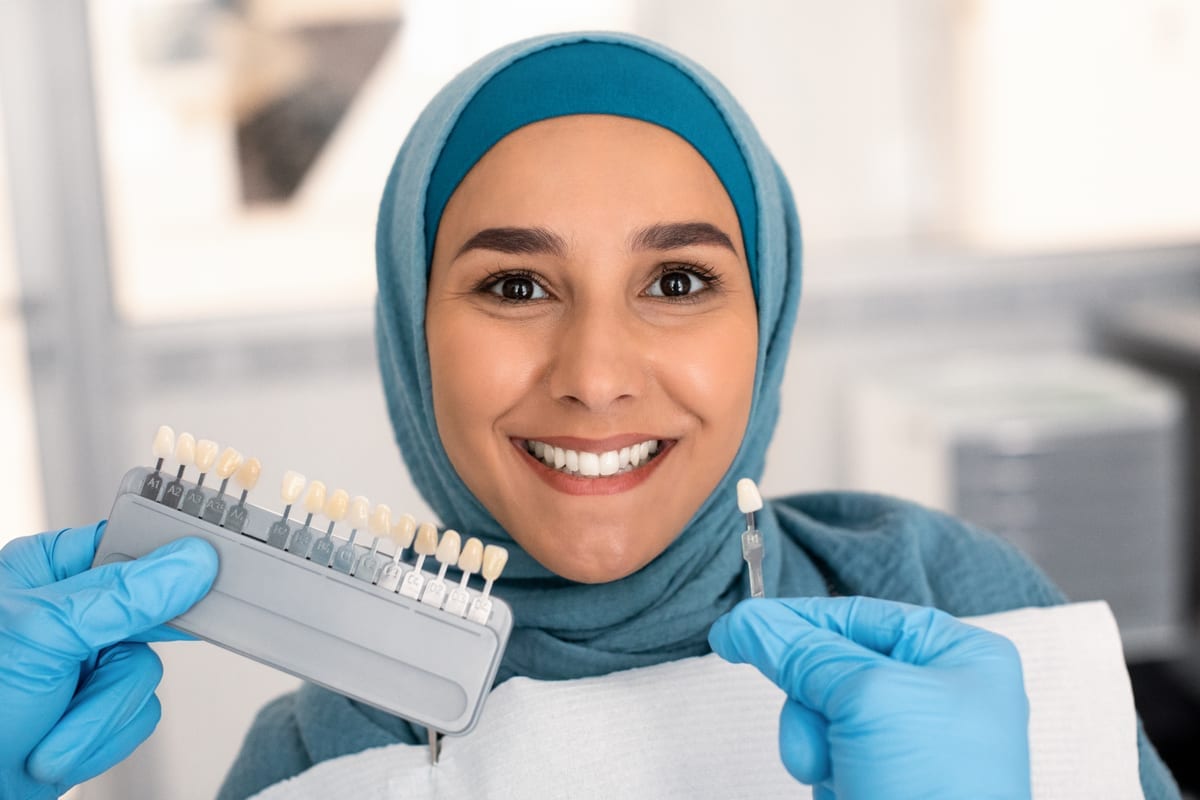
Veneers are thin shells of porcelain or composite resin. A dentist bonds them permanently to the front surface of your teeth. They cover discoloration, chips, gaps, and slight misalignment beautifully.
Porcelain veneers require a small amount of enamel removal. This makes the procedure irreversible. Once you commit to veneers, you will always need them on those teeth. The process typically takes two visits to complete.
Here is what the veneer process generally looks like:
- Initial consultation and smile assessment
- Enamel reduction and tooth preparation
- Impressions sent to a dental lab
- Temporary veneers placed while you wait
- Final veneers bonded at a second appointment
Composite veneers skip the lab step. Your dentist sculpts them chairside in one visit. They cost less than porcelain but do not last as long.
What Is Dental Bonding and When Does It Make Sense?
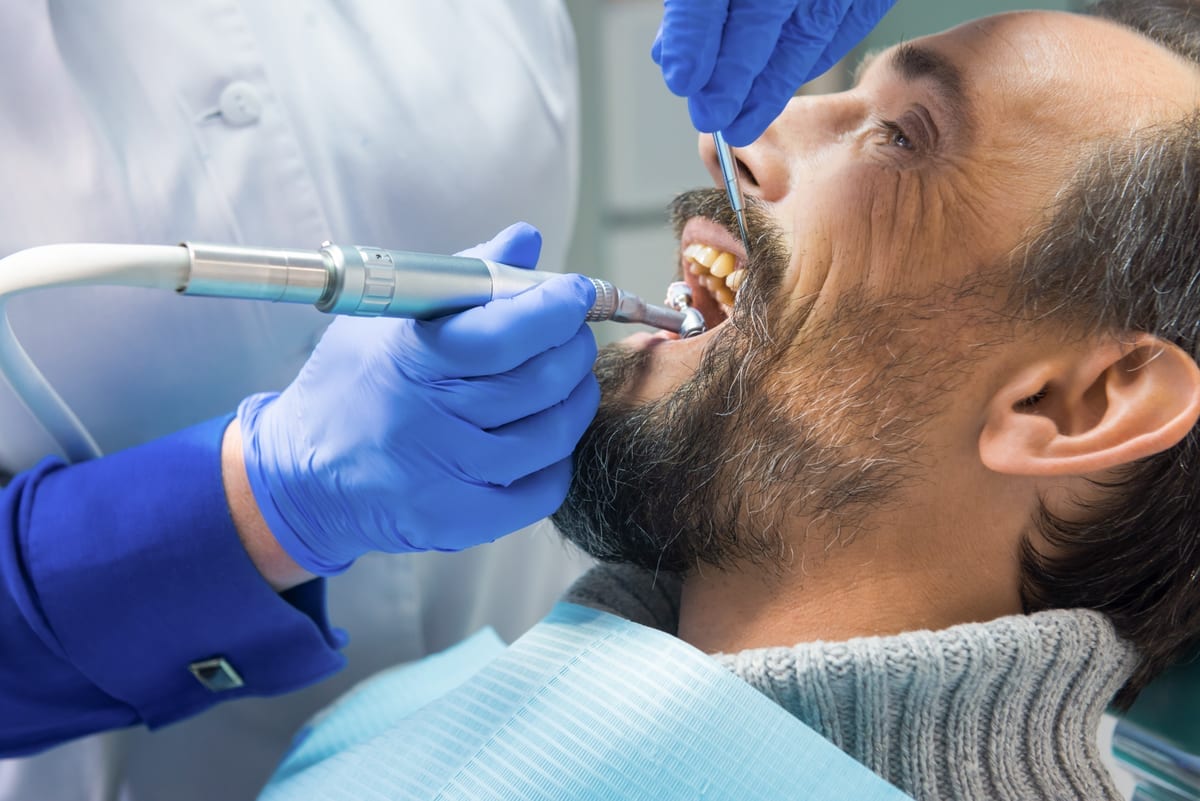
Dental bonding uses a tooth-colored resin applied directly to the tooth. Your dentist shapes it by hand and hardens it with a special light. The whole process usually takes 30 to 60 minutes per tooth.
Bonding requires little to no enamel removal in most cases. That makes it a completely reversible option. It works well for small chips, minor gaps, and surface stains that whitening cannot fix.
Bonding is an excellent choice in these situations:
- Repairing a single chipped or cracked tooth
- Closing a small gap between front teeth
- Reshaping a tooth that looks slightly uneven
- Covering a discolored spot on one tooth
- Improving a smile before a major life event
It is also the go-to option for younger patients whose teeth are still developing. Bonding preserves more natural tooth structure than veneers do.
Veneers vs. Bonding in Lombard: Comparing Cost and Longevity
Cost and longevity are the two factors that matter most to most patients. Here is an honest comparison based on what Lombard residents typically encounter.
Cost: Dental bonding is significantly less expensive per tooth than porcelain veneers. Composite veneers fall somewhere in between. Bonding is the most budget-friendly entry point for cosmetic improvement.
Longevity: Porcelain veneers typically last 10 to 20 years with proper care. Dental bonding usually lasts 3 to 10 years before it needs touch-ups or replacement. Bonding is more prone to staining and chipping over time.
Maintenance: Both options require good brushing, flossing, and regular dental visits. With bonding, you should avoid biting hard objects like ice or pens. Veneers are harder and more resistant to daily wear.
The bottom line: bonding costs less upfront but may cost more over a lifetime if you need repeated repairs. Veneers are a larger initial investment that often pays off long-term.
Which Option Is Right for Your Specific Concern?
Choosing between veneers and bonding depends on your personal goals and dental health. There is no single right answer for every patient in Lombard.
Choose bonding if: You want a fast, affordable fix for a minor cosmetic issue. It is ideal for one or two teeth and when you prefer a reversible option.
Choose veneers if: You want a dramatic, long-lasting transformation. They work best for multiple front teeth with significant staining, size issues, or shape concerns.
Your overall oral health also plays a role in this decision. Patients dealing with jaw pain may be referred for Tmj Treatment Lombard before any cosmetic work begins. Underlying issues must be resolved first for cosmetic results to hold up well.
Similarly, patients with untreated decay or infection may need Root Canal Therapy Lombard before veneers or bonding can be placed safely. Cosmetic dentistry works best on a healthy foundation.
Dr. Sanders evaluates each patient individually. He considers your bite, gum health, tooth structure, and aesthetic goals before recommending a treatment path.
What to Expect During a Cosmetic Consultation at Sanders Family Dental Lombard
Your first step is a thorough consultation with Dr. Sanders. He will review your dental history and examine your teeth closely. Digital photos or X-rays may be taken to get a complete picture.
You will discuss what bothers you most about your smile. Dr. Sanders listens carefully and explains your options in plain language. He never recommends unnecessary treatment.
If you are a candidate for both veneers and bonding, he will walk you through the pros and cons of each for your specific case. You leave the consultation with a clear, personalized plan and realistic expectations about results, timeline, and cost.
Sanders Family Dental Lombard also offers sedation dentistry for patients who feel anxious about cosmetic procedures. Your comfort is always a priority throughout every step of care.
Conclusion: Making the Right Choice for Your Smile
Both veneers and dental bonding can genuinely improve your smile and your confidence. The best choice depends on your goals, your budget, and the condition of your teeth. Bonding offers a quick, reversible, and affordable solution for minor issues. Veneers deliver a more durable, comprehensive transformation for patients ready to invest in long-lasting results.
Dr. David H. Sanders and the team at Sanders Family Dental Lombard are here to help you navigate that decision with clarity and care. You deserve a smile that fits your life — and a treatment plan that respects your goals. Book Now to schedule your appointment with our team.
Frequently Asked Questions
How long does dental bonding last compared to veneers?
Dental bonding typically lasts 3 to 10 years depending on care and habits. Porcelain veneers can last 10 to 20 years with proper maintenance. Veneers are the longer-lasting option overall.
Is bonding or veneers better for a chipped front tooth?
For a single chipped front tooth, dental bonding is often the better choice. It is faster, less invasive, and more affordable. Veneers may be recommended if the chip is severe or if you want to improve multiple teeth at the same time.
Do veneers damage your natural teeth?
Porcelain veneers require a small amount of enamel removal, which is permanent. This does not damage the tooth structurally, but it does mean the tooth will always need a veneer going forward. Composite veneers and bonding are far less invasive alternatives.
Can dental bonding be whitened later?
Bonding resin does not respond to teeth whitening treatments the way natural enamel does. If you plan to whiten your teeth, it is best to do so before bonding is placed. That way, the resin can be matched to your new, brighter shade.
How do I know which cosmetic option is right for me in Lombard?
The best way to know is to schedule a consultation with Dr. David H. Sanders at Sanders Family Dental Lombard. He will examine your teeth, discuss your goals, and recommend the most appropriate treatment for your unique situation.