New Patients and Emergency Appointments Are Welcome!


By Sanders Family Dental | November 3, 2025
A chipped tooth happens unexpectedly, a fall, a sports injury, or even biting down on something hard can cause this. Although it is a significant problem, it actually has a very simple, effective solution: dental bonding. This quick, minimally invasive treatment will repair your tooth and your smile, restoring confidence in a flash.
Within this blog, we will walk you through what you need to know about dental bonding and how it can fix a chipped tooth-from the procedure to its benefits and aftercare. You’ll learn why dental bonding might be the right choice for you.
What is Dental Bonding?
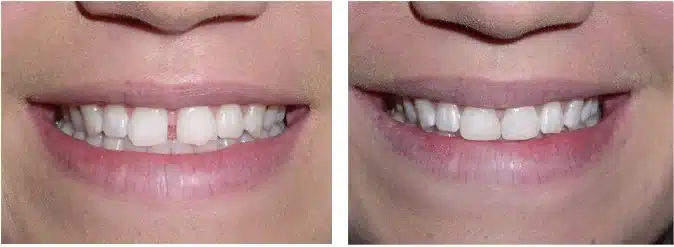
Dental bonding is a cosmetic procedure in which a dentist applies tooth-colored composite resin to your teeth to fix chips, cracks, or discoloration. The resin is molded to fit the shape of your tooth and sets hard with a special light. When the bonding has hardened, the tooth appears and feels natural, seamlessly integrating with the rest of your teeth.
This is a very popular approach because it is quite simple; it usually requires little preparation and only a few visits. This procedure works perfectly for small chips, gaps, or other minor dental imperfections that can be quickly treated in a single session.
Why Choose Dental Bonding for Chipped Teeth?
Dental bonding has numerous benefits in restoring a chipped tooth. The most significant ones are as follows:
- Quick and convenient: Unlike crowns or veneers, dental bonding in Lombard, IL, generally does not require multiple appointments. In most cases, you can have your chipped tooth repaired in a single visit.
- Non-invasive: Dental bonding does not require extensive tooth preparation; therefore, it is highly suitable for anyone seeking a conservative, less invasive approach.
- Natural look and feel: The resin used in bonding is matched to the shade of your natural teeth and is virtually undetectable.
- Cost-effective: Dental bonding is less expensive compared to other restorative procedures for small chips and cracks in the teeth.
The Step-by-Step Dental Bonding Process
If you think dental bonding is what you need for your chipped tooth, here’s what you should expect from the procedure:
- Preparation: The dentist will clean the affected tooth and roughen its surface slightly so the resin has something to bond to. Local anesthesia is usually not needed unless the tooth has decayed or been damaged beyond a simple chip.
- Application: The dentist chooses a composite resin that matches the color of your natural teeth. He then applies the resin in layers, carefully molding it into the shape of your tooth to cover the chipped area.
- Hardening: This process involves using a special light on the resin after it is placed. This usually takes only a few minutes.
- Shaping and Polishing: After hardening, the dentist shapes and polishes the resin to match the shape of your natural tooth.
The entire procedure usually goes by quickly, just one visit, and there is typically no recuperation afterwards. In fact, most are comfortable resuming normal activities right after the procedure.
Aftercare for Bonded Teeth
To make sure dental bonding lasts as long as it can, here are some aftercare tips you should follow:
- Avoid Hard Biting: Do not chew hard materials, such as ice, pens, and fingernails, since this may damage the resin.
- Practice Good Oral Hygiene: Continue brushing and flossing; however, be careful not to damage the resin when you clean around the bonded area.
- Regular Dental Check-Ups: Continue regular dental visits to monitor the bonded tooth’s health and detect any wear or damage.
While dental bonding can last for several years with proper dental care, the resin may not be as durable as natural tooth enamel. You will help extend the life of your bonding by avoiding habits that put excessive pressure on your teeth, such as grinding.
Restore Your Smile Today with Sanders Family Dental
If you have chipped a tooth, dental bonding is one of the quickest and most effective ways to restore the look and function of your tooth. Non-invasive, natural-looking results, and minimal recovery time are just three of the reasons dental bonding is popular among so many.
At Sanders Family Dental, we strive to help you achieve a healthy, beautiful smile. If you have a chipped tooth or another dental issue, then wait no longer! Contact us today to schedule an appointment and learn how dental bonding can bring your smile back to life. We look forward to helping you smile with confidence again!
FAQs
- How long does dental bonding last?
Dental bonding can last 5 to 10 years, depending on how well you care for your teeth and your lifestyle. Regular brushing, flossing, and avoiding hard foods can help extend its lifespan. However, it’s important to note that the resin material may wear down over time, so regular dental checkups are key to maintaining the integrity of the bond. - Is the dental bonding procedure painful?
Dental bonding is typically painless for most people. The procedure involves minimal preparation, and local anesthesia is rarely required unless the dentist needs to address decay or a larger chip. You may feel slight sensitivity during the treatment, but it’s usually well tolerated, and most people can return to their normal activities immediately afterward without discomfort. - Can dental bonding fix large chips?
Dental bonding is ideal for minor to moderate chips or cracks. While it can fix larger chips, the resin may not be as durable or practical as a crown or veneer for significant damage. For more severe cases, your dentist may recommend other restorative treatments, such as crowns or veneers, to achieve better long-term results and durability. - How should I care for my bonded tooth?
Caring for a bonded tooth is simple; just maintain good oral hygiene by brushing twice a day and flossing regularly. Avoid biting down on hard objects like ice, pens, or candy, as this can damage the resin. Additionally, be mindful of habits like teeth grinding, and consult your dentist if you notice any issues with your bonded tooth, such as roughness or chips. - Can dental bonding be used for cosmetic purposes?
Yes, dental bonding is commonly used for cosmetic purposes, such as fixing chipped, cracked, or discolored teeth. It’s an excellent solution for enhancing your smile and can also be used to close gaps between teeth or reshape uneven teeth. The composite resin used in dental bonding is customizable, allowing it to blend seamlessly with your natural tooth color for a flawless appearance. - Does dental bonding look natural?
Yes, dental bonding is designed to look as natural as possible. The composite resin used is color-matched to your teeth, so it blends seamlessly with your smile. Since the material is sculpted to match the shape of your natural tooth, the result is a smooth, lifelike restoration that’s difficult to distinguish from your other teeth. With proper care, dental bonding can maintain its natural look for many years.